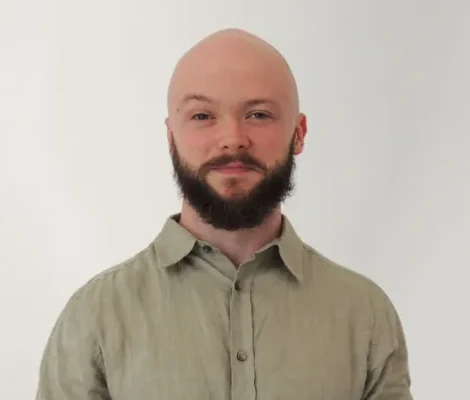
About Nigel BarnimRegistered Psychotherapist (Qualifying), Certified Neurofeedback Practitioner & Owner of Hamilton Neurofeedback
Hi, I'm Nigel. I'm obsessed with how the brain and body shape mental health and performance. I started Hamilton Neurofeedback to put that passion to work helping others.
Free 30‑minute call · No waitlist · Covered by most benefits plans
What I do
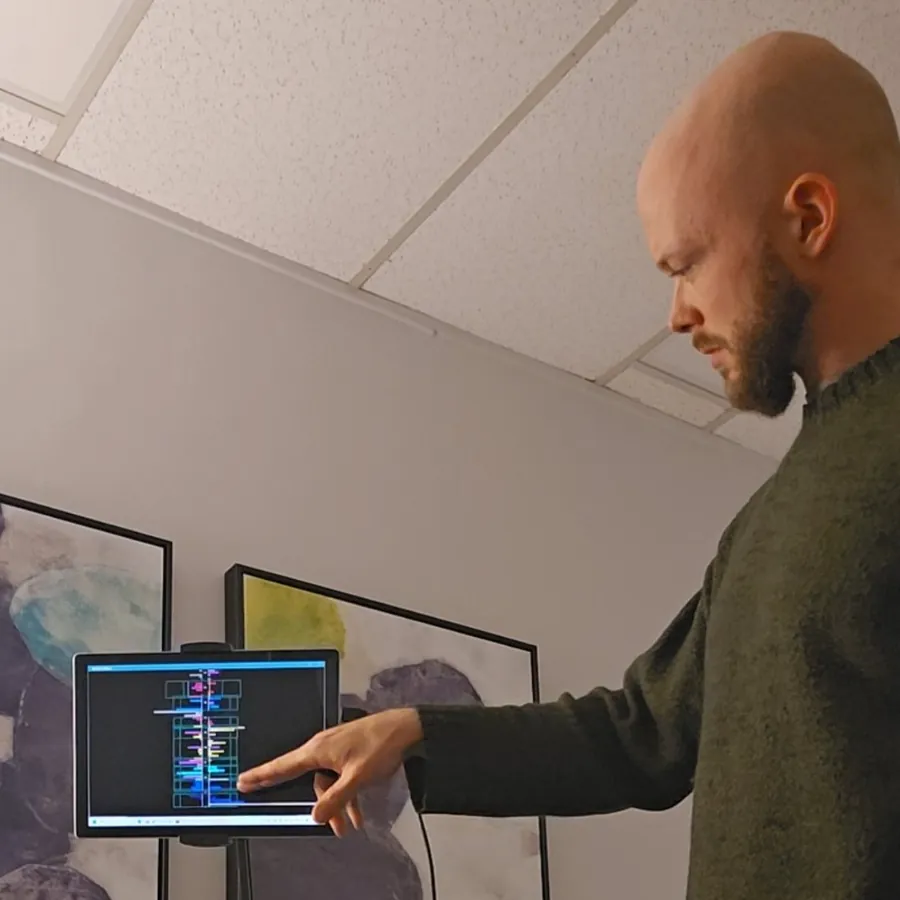
First, I'm glad you're here. Hamilton Neurofeedback is my passion project: a mental health clinic that offers brain and nervous system treatments like neurofeedback in addition to standard talk therapy.
Maybe you're struggling with symptoms related to anxiety, trauma or depression. Maybe you're the parent of someone affected by a developmental disorder like autism or ADHD, or someone recovering from a brain injury or an illness that affected your brain. Maybe you're an athlete, first responder or other high performer looking to take yourself to the next level.
Whether your goal is to just feel okay, to achieve your wildest dreams, or anything in between, I'm here to help you get there.
Who I work with
- Neurofeedback: kids, teens and adults, ages 4 and up
- Psychotherapy: teens and adults
- Everyone is welcome here. I don't discriminate based on gender, race, culture, religion, sexuality, mental health history or anything else.
What I use
- Neurofeedback Program: research-supported tools that train and regulate the nervous system, including neurofeedback, Vielight brain red light therapy and heart rate variability biofeedback.
- Psychotherapy: elements of Cognitive Behavioural Therapy (CBT), The Work of Byron Katie, mindfulness and Acceptance and Commitment Therapy (ACT). These help you notice, challenge and overcome the thoughts, feelings and behaviours that keep you stuck.
Where I work
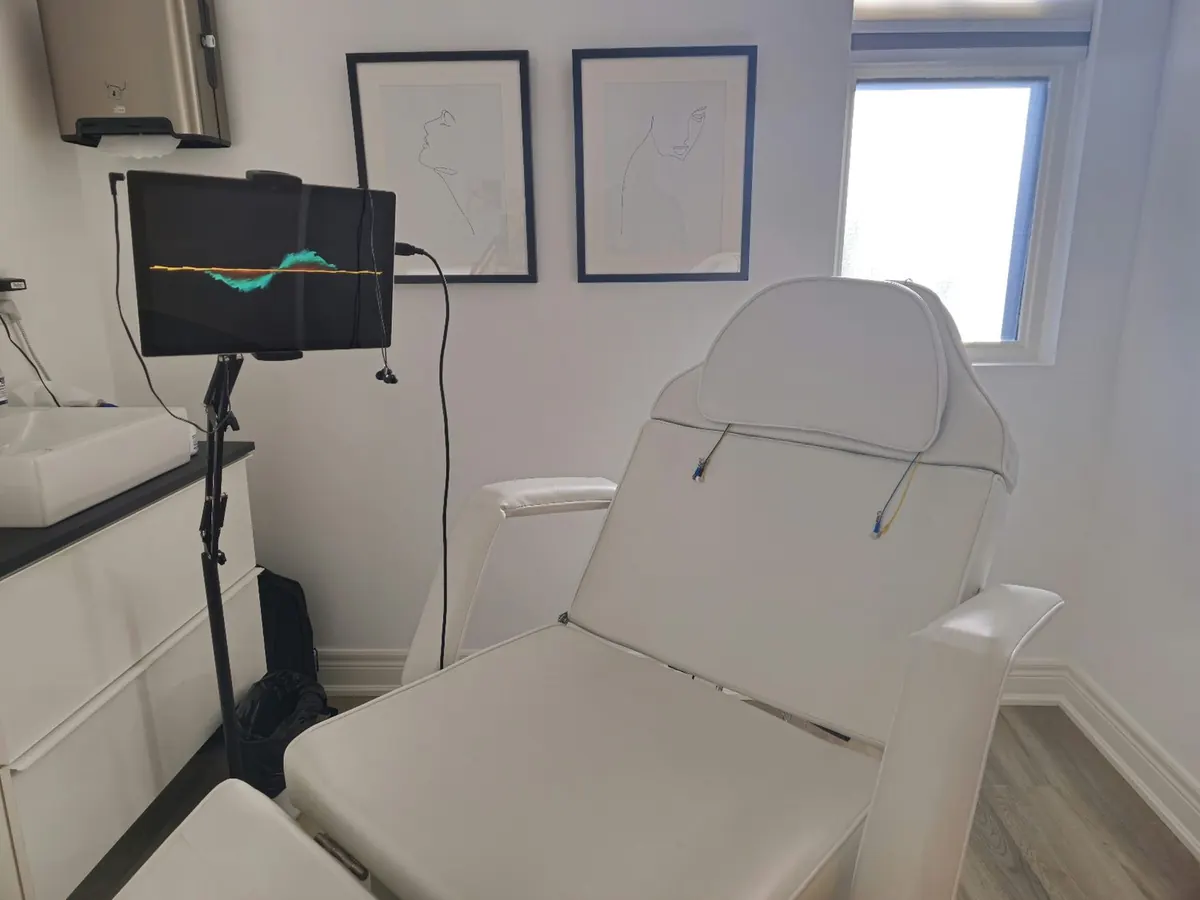
Hamilton
The Durand Clinic, 136 Young St.
About the Hamilton clinic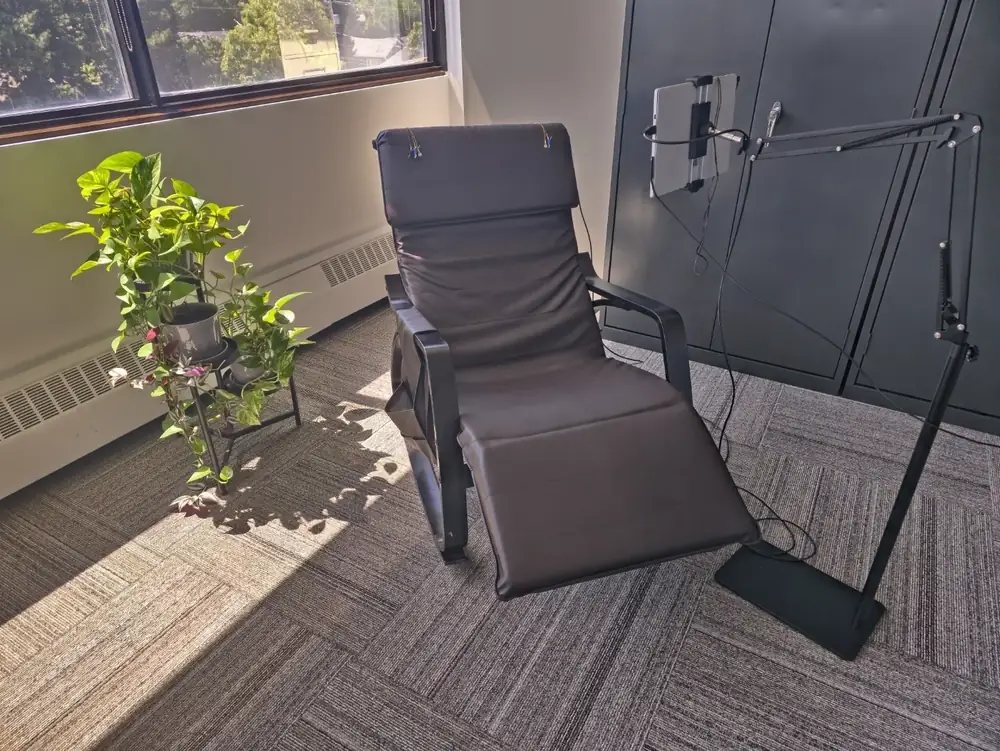
Burlington
Lifespan Psychology, 720 Guelph Line
About the Burlington clinicIn-Home & Virtual
Neurofeedback and our other brain and nervous system tools need you there in person with the equipment.
If coming to a clinic doesn't work for you, I offer in-home neurofeedback sessions, neurofeedback rentals and virtual psychotherapy.
How I work: mind and body together
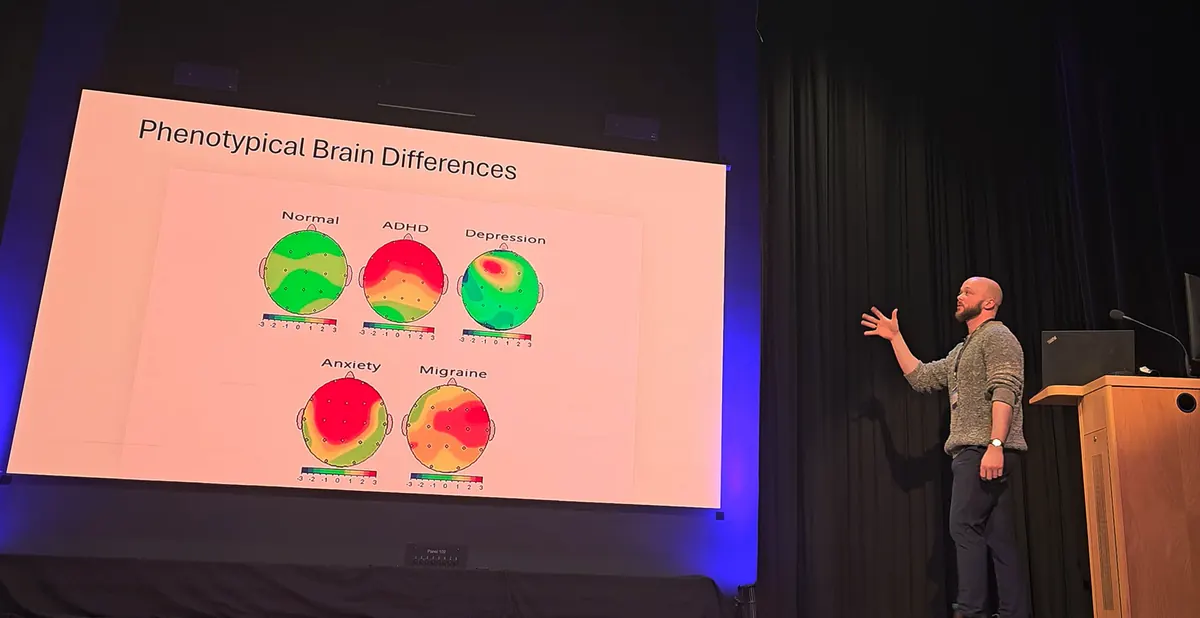
We all intuitively know that the mind and body are connected. How we feel in our bodies affects how we feel psychologically, and vice versa.
I work on both, starting with the brain and nervous system.
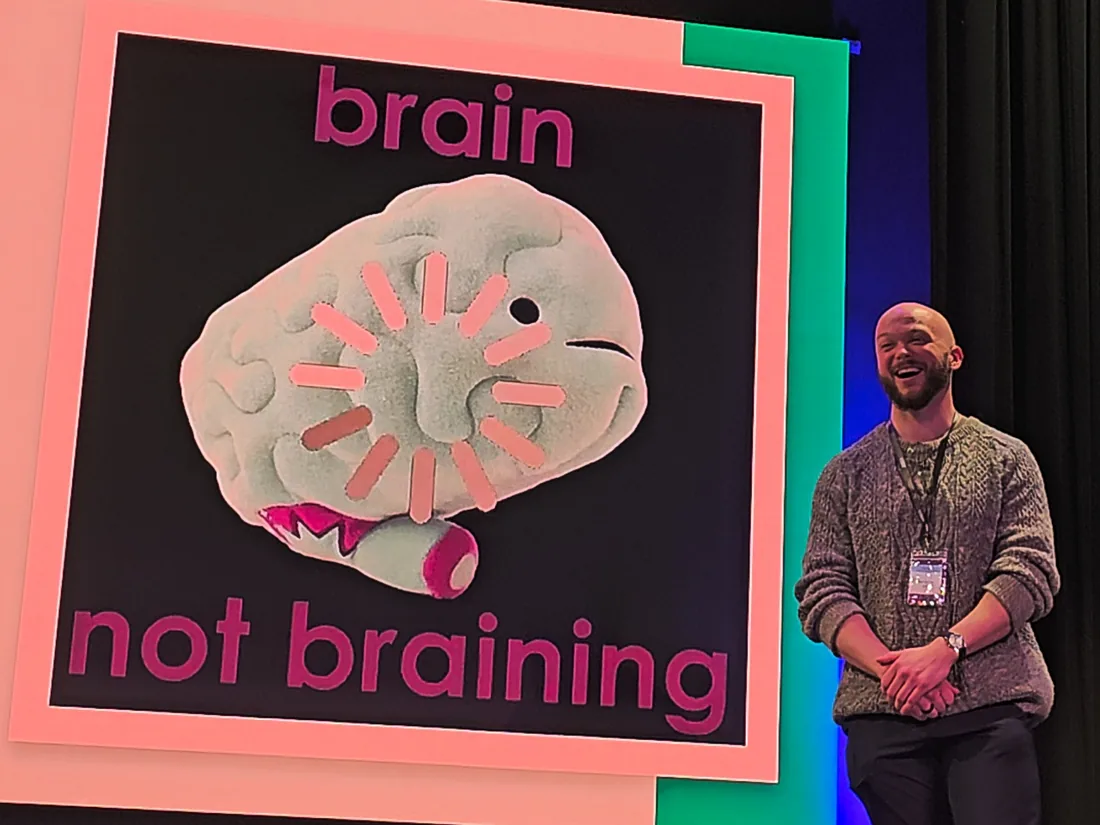
Neurofeedback and the other tools in our Neurofeedback Program work on the biological side, training the brain and nervous system to self-regulate without conscious effort. It's like upgrading a computer's hardware: suddenly, everything starts running more smoothly, and you might notice less stress, better focus or a better mood with less effort.
Psychotherapy works on the psychological side: how you think, feel, relate and choose. It's like fixing the software, working through the patterns that keep you crashing or running slower than you'd like.
In my experience, combining the two can create more change than either one alone, though you never have to do both.
For more detail on my treatment philosophy, see a lecture I gave on how to think biologically about mental health.
Why I started Hamilton Neurofeedback
My history with neurofeedback
My introduction to neurofeedback was one short paragraph in my second-year Abnormal Psychology textbook. It mentioned giving people conscious control of things we normally think are unconscious: brain waves, heart rate or muscle tension. It turns out that, after being taught to control these things, people are really good at controlling their internal states.
I'd spent years meditating to try and feel calm. This paragraph suggested there was a faster, easier way, that didn't require me shaving my head and becoming a monk (yes, I did have hair at the time).
Within a year I was trying neurofeedback myself. Since then I've experimented with dozens of tools for training the brain and nervous system and landed on the combination in our Neurofeedback Program.
My history with psychology and therapy
I fell in love with psychology in high school. I took every course offered and read every book I could find. I majored in psychology at Queen's University and continued obsessing over neuroscience, the psychology of emotion, and the questions of why people suffer and how they flourish. That led to a Master's in Psychotherapy at McMaster, where I learned first-hand how to help people change the patterns that keep them stuck.
Why helping people matters to me
I spent years searching for answers, and for a language for what I was struggling with. Neurofeedback helped me steady my nervous system and find calmness where there was none. It also let me engage deeply in talk therapy in a way I couldn't previously. I learned to feel my feelings instead of avoiding them like I owed them money.
Together, neurofeedback and psychotherapy helped me suffer less, and showed me the power of integrated, holistic mind-body mental health care.
I started Hamilton Neurofeedback to help others suffer less, too.
Credentials
- 6+years in mental health
- 1,000+sessions delivered
 Certified NeurOptimal® Trainer
 Verified profile
 MSc Psychotherapy, McMaster
 Published research


A few quick questions

What are you listening to right now?
Mostly very heavy metal, which many find surprising!
Have you ever read a book that changed your life?
Slaughterhouse Five, by Kurt Vonnegut. It's a funny, tragic, deeply insightful book about living a life that doesn't quite feel right. I come back to the same beat up copy from high school every few years.
What's your favourite way to spend free time?
At the gym, playing rec sports like spikeball, hiking with friends in Dundas or Hamilton, or at a café or a concert.
What did you want to be when you grew up?
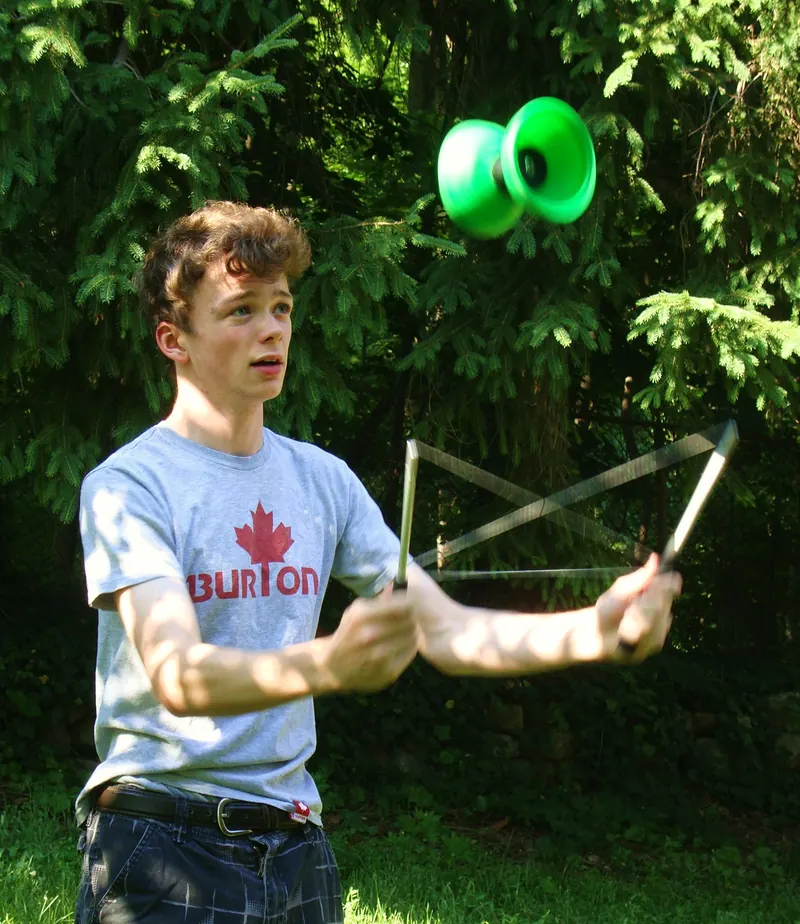
I wanted to join the circus. Seriously. I spent hours a day practicing the diabolo (Chinese yo-yo), and later had a summer job at Canada's largest juggling supply company helping build equipment for Cirque du Soleil.
What's a lesson you still use?
When I was around five, I learned a swear word at school. Confused about what an "ash hole" was, and why it was something I shouldn't say, I asked my mom. Thinking on her feet, she said: "Do you know what that word is? It's a choice."
She improvised her answer, but it turned out to be a really meaningful one. Most of our life comes down to choices: how we treat ourselves and others, how we interpret what happened to us, and whether we take the risk to live a life worth living.
I believe the freedom to choose is the most sacred thing about being human. My goal with clients is helping remind them that they have the power to choose.
Start with a free 30‑minute call
If you're curious about what working together might look like for you, book online, call 905‑746‑9432 or email [email protected].
No waitlist · Covered by most benefits plans · Sessions in Hamilton and Burlington